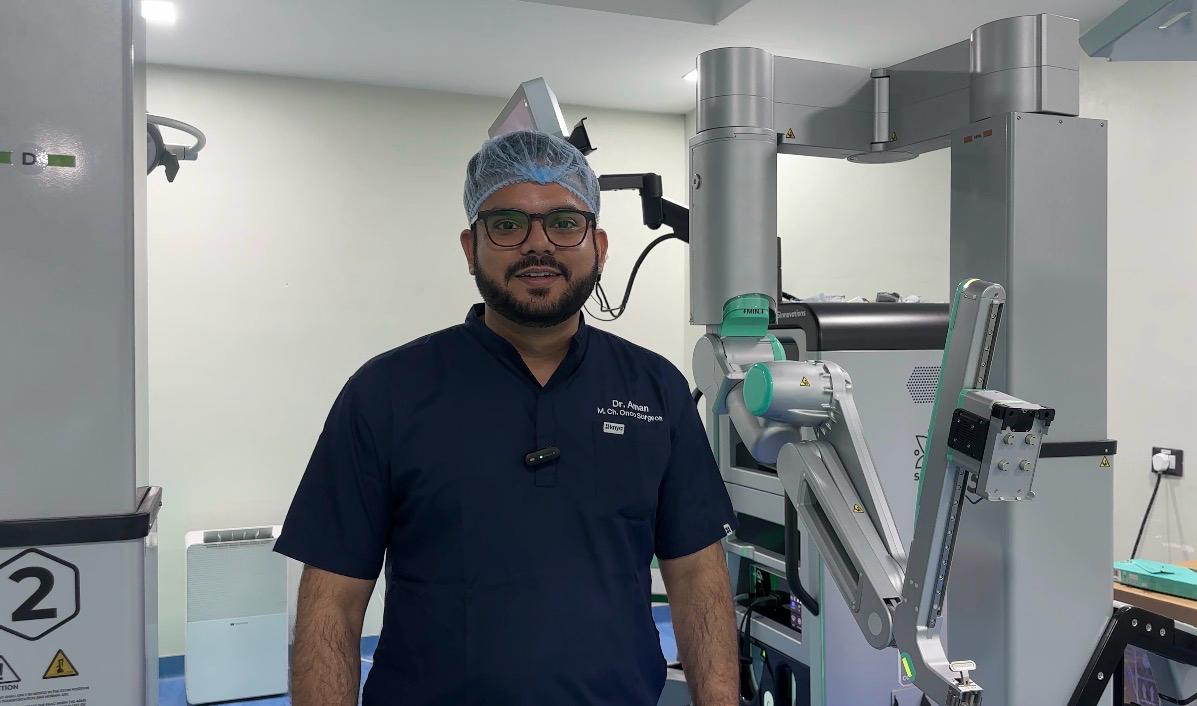
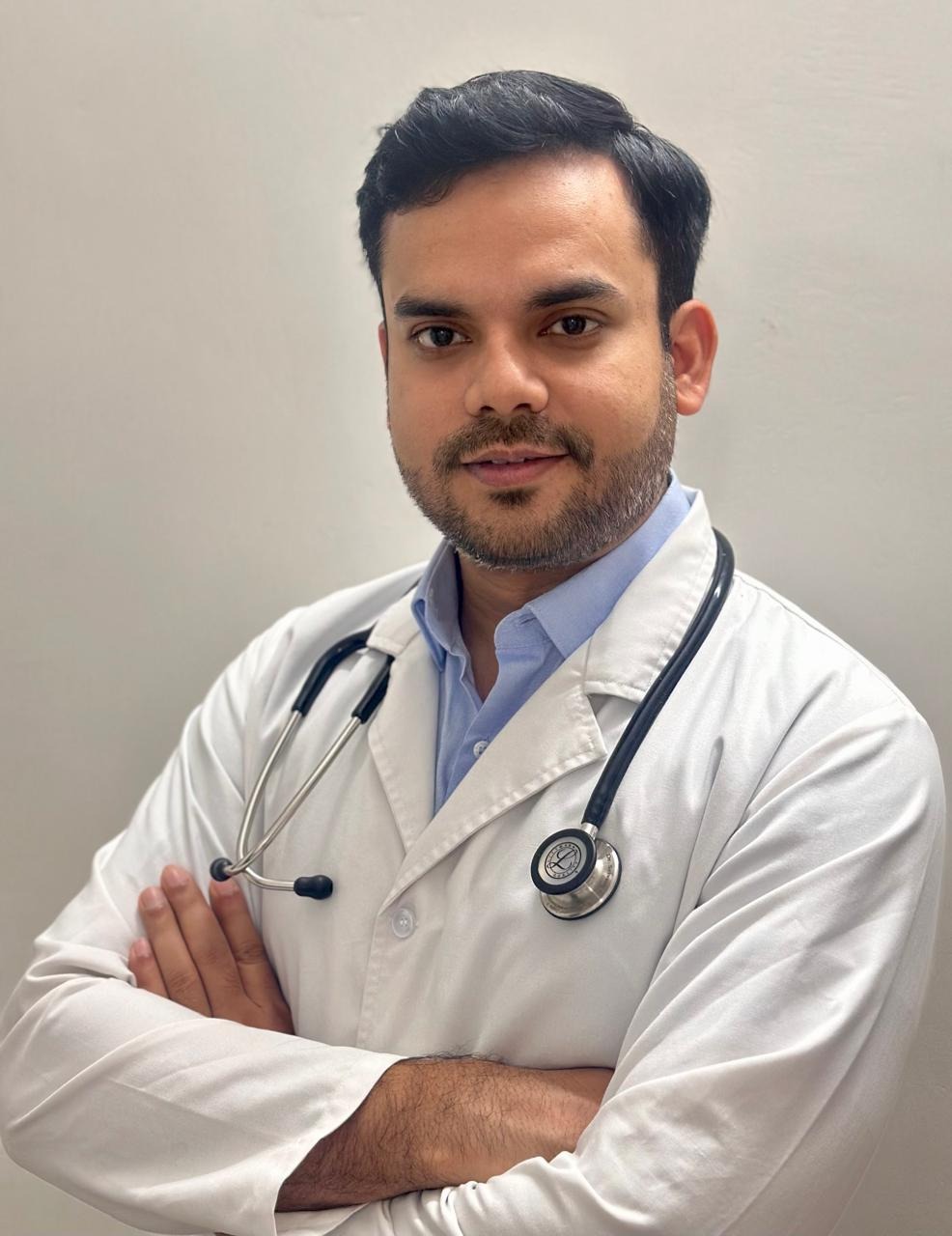
Expert Insights by Dr. Aman Prakash (M.Ch. Surgical Oncology)
Consultant Surgical Oncologist & Robotic Cancer Surgeon
Colon cancer, once considered primarily a disease of older adults, is now increasingly being diagnosed across wider age groups. Despite this rising trend, one fact remains encouraging: colon cancer is among the most preventable and treatable forms of cancer when identified early. Public awareness, timely screening, and advancements in surgical technology—particularly robotic cancer surgery—are transforming outcomes for patients worldwide.
In this educational post, Dr. Aman Prakash (M.Ch. Surgical Oncology), Consultant Surgical Oncologist and Robotic Cancer Surgeon from Kolkata, answers some of the most frequently asked questions about colon cancer, helping readers understand risks, symptoms, prevention, and the role of cutting-edge surgical innovation.
Q1. What is colon cancer, and why is awareness so critical today?
Dr. Aman Prakash:
Colon cancer often begins as small, noncancerous growths called polyps. The major concern is that it often develops silently, with minimal or no symptoms in its earliest stages.
This is precisely why awareness is so important. Many patients present late simply because warning signs were overlooked or screening was delayed. Increased public understanding can lead to earlier diagnosis, when treatment is more effective and outcomes are significantly better. In many cases, awareness alone can be lifesaving.
Q2. Is colon cancer only a disease of people above 50?
Dr. Aman Prakash:
Traditionally, colon cancer was more common in older adults, but in recent years, there has been a noticeable rise in younger patients as well. Lifestyle factors such as obesity, physical inactivity, diets high in processed foods, smoking, alcohol use, and genetic predisposition all contribute to this shift.
Family history is particularly important. Individuals with close relatives diagnosed with colorectal cancer may have a higher lifetime risk and should seek medical guidance for earlier screening.
Q3. What are the early warning signs people should watch for?
Dr. Aman Prakash:
Colon cancer symptoms can vary, but certain signs should never be ignored:
- Blood in stool or rectal bleeding
- Persistent constipation or diarrhea
- Change in bowel habits lasting several weeks
- Unexplained weight loss
- Abdominal pain, bloating, or cramps
- Fatigue, weakness, or anemia
While these symptoms may also occur in benign conditions such as hemorrhoids or infections, persistent symptoms require evaluation. Early consultation can make a significant difference.
Q4. Can colon cancer actually be prevented?
Dr. Aman Prakash:
Yes—and this is one of the most powerful aspects of colon cancer awareness. Unlike many cancers, colon cancer can often be prevented through screening and lifestyle modification. Colonoscopy allows doctors not only to detect abnormalities early but also to remove precancerous polyps for biopsy and evaluation.
Preventive strategies include:
- Regular screening as recommended
- Diet rich in fiber, fruits, and vegetables
- Physical activity
- Weight management
- Avoiding tobacco
- Limiting alcohol intake
Prevention is not just possible—it is practical and highly effective.
Q5. When should someone get screened?
Dr. Aman Prakash:
For average-risk individuals, screening often begins around age 45, though those with family history, hereditary syndromes, or inflammatory bowel disease may need earlier surveillance. Colonoscopy remains the gold standard because it combines diagnosis and prevention in one procedure.
The ideal screening timeline should always be individualized based on personal and family risk factors.
Q6. How is colon cancer treated?
Dr. Aman Prakash:
Treatment depends on the stage, location, and biological behavior of the cancer. Early-stage lesions may sometimes be removed endoscopically, while more advanced cancers may require surgery, chemotherapy, targeted therapy, or a multidisciplinary treatment approach.
Surgery remains the cornerstone for many localized colon cancers, and advances in minimally invasive techniques have significantly improved patient recovery.
Q7. What is robotic surgery, and how does it benefit colon cancer patients?
Dr. Aman Prakash:
Robotic surgery is one of the most significant technological advancements in modern oncologic surgery. It is a highly precise, minimally invasive approach that allows surgeons enhanced visualization, improved dexterity, and greater control during complex cancer procedures.
As a Consultant Surgical Oncologist and Robotic Cancer Surgeon, I believe robotic surgery has expanded our ability to perform delicate colorectal surgeries with precision in carefully selected patients.
Potential benefits may include:
- Smaller incisions
- Reduced postoperative pain
- Less blood loss
- Faster recovery
- Shorter hospital stay
- Improved precision in confined anatomical spaces
For many patients, this means a smoother postoperative experience without compromising cancer treatment goals.
Q8. Is robotic surgery safe for cancer?
Dr. Aman Prakash:
When performed by appropriately trained specialists, robotic surgery is a safe and scientifically validated option for selected colon and rectal cancer patients. Importantly, the primary goal remains complete oncologic clearance—removing the cancer effectively while preserving function whenever possible.
Technology is not a substitute for expertise, but in experienced hands, it can be a valuable extension of surgical capability.
Q9. Does every colon cancer patient need robotic surgery?
Dr. Aman Prakash:
Not necessarily. Every patient is unique, and treatment must be personalized. Factors such as tumor stage, location, previous surgeries, overall health, and treatment goals determine the best surgical approach. Robotic surgery is one of several tools available, and selecting the right approach requires careful specialist evaluation.
Q10. What is the biggest misconception people have about colon cancer?
Dr. Aman Prakash:
One of the biggest misconceptions is that bowel symptoms are always minor or temporary. Many people delay evaluation due to embarrassment, fear, or assumption. Another misconception is that surgery always means prolonged suffering. Modern surgical oncology—including minimally invasive and robotic techniques—has dramatically changed the patient experience.
Q11. What message would you like to share with the public?
Dr. Aman Prakash:
Do not ignore symptoms. Do not delay screening. Colon cancer is often preventable and highly treatable when caught early, and modern medicine offers increasingly sophisticated treatment options. Awareness is not just information—it is empowerment.
Through timely diagnosis, evidence-based treatment, and modern advancements like robotic surgery, we can improve not only survival but also quality of life.
About Dr. Aman Prakash
Dr. Aman Prakash (M.Ch. Surgical Oncology) is a Consultant Surgical Oncologist and Robotic Cancer Surgeon dedicated to advancing cancer awareness, early diagnosis, and precision-driven treatment at DESUN Cancer Institute, Kolkata. With a strong focus on gastrointestinal and colorectal oncology, Dr. Aman emphasizes patient education, preventive screening, and modern surgical innovation as essential pillars of better cancer care.
“When awareness leads to early detection and expertise meets technology, cancer care becomes not just treatment—but transformation.”
To Visit him And get the Address please check this link -https://share.google/oddslZXMMbgRrU7vD
Facebook: https://www.facebook.com/share/1AdMZscJKv/?mibextid=wwXIfr